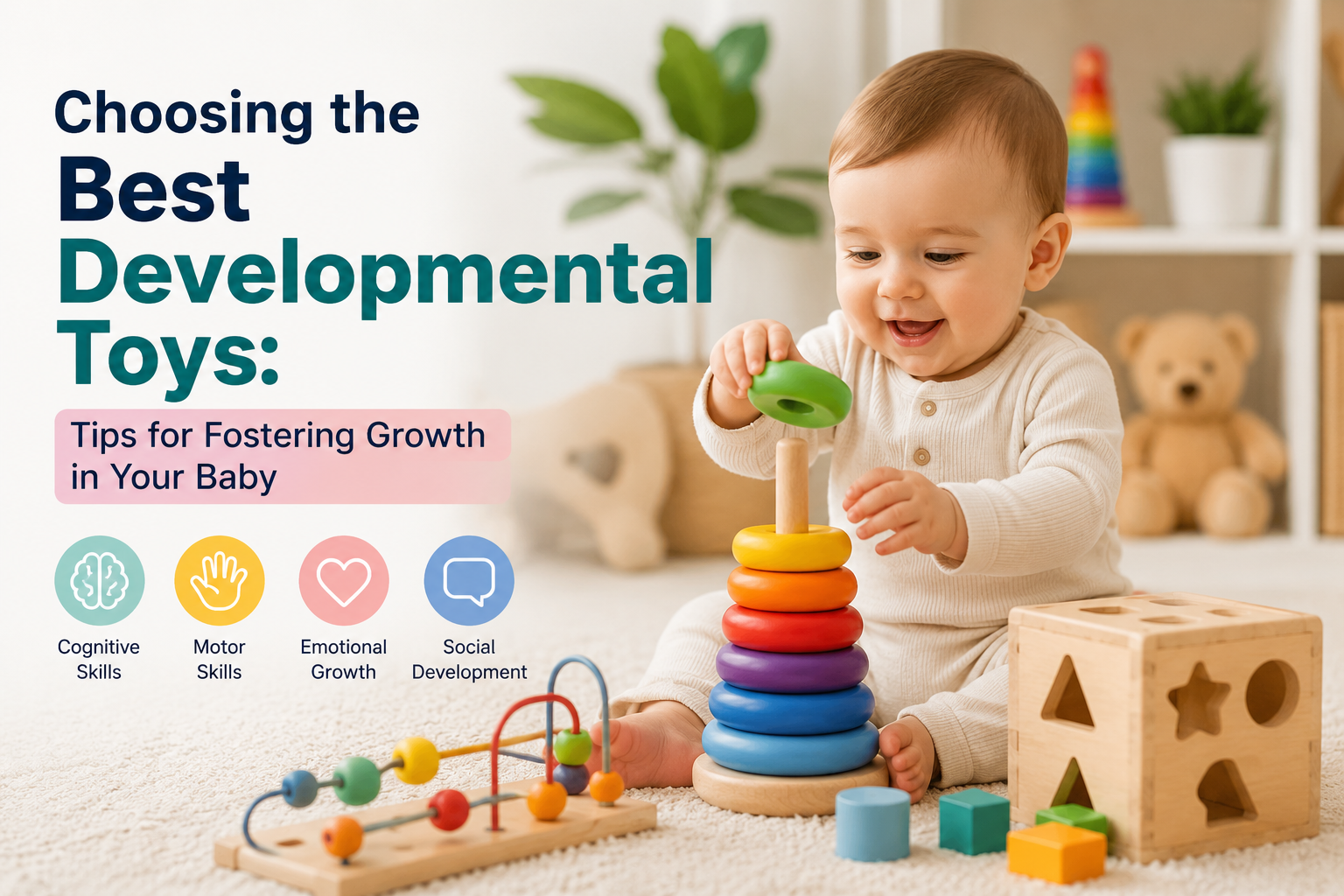
As parents, we all want to provide our babies with the best tools to help them grow, learn, and
develop into healthy, happy individuals. One of the most effective ways to encourage early
learning is through play. Developmental toys are specially designed to engage babies in
activities that stimulate their cognitive, motor, and sensory development. But with so many
options available, how can you choose the right toys for your baby’s stage of growth? Here are
some essential tips to help you make the best decisions when selecting developmental toys
1. Understand Your Baby’s Developmental Stages
Before diving into the world of baby toys, it’s important to understand the stages of your baby’s
growth. Babies go through various developmental milestones, and the right toy can aid in
encouraging these milestones. Developmental toys are typically categorized by age, each
focusing on different skills.
- Newborn to 3 Months: At this stage, babies are learning to focus on objects, track
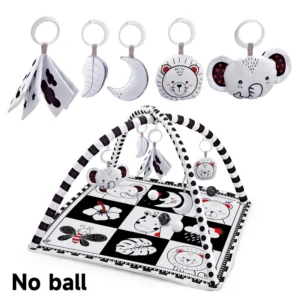
movements, and develop a sense of touch. Choose toys that are high contrast, colorful,
and have different textures to engage your baby’s senses.
- 3 to 6 Months: By this age, babies start to grasp objects and explore their environment
with their hands and mouths. Look for toys that encourage grasping, shaking, and
mouthing. Soft teethers and rattles are great options for this stage.
- 6 to 12 Months: Babies are now developing better hand-eye coordination and may start
to sit up. Toys that encourage problem-solving, stacking, and cause-and-effect play are
ideal.
- 12+ Months: As your baby begins walking and talking, they become more mobile and
curious. Choose toys that support their growing coordination, like building blocks, shape
sorters, and toys that promote pretend play.
2. Focus on Sensory Development
Babies are constantly using their senses to explore the world around them. Sensory toys help
babies enhance their sense of sight, hearing, touch, and even smell. These toys stimulate your
baby’s brain, encouraging the development of their neural connections. Here are some ideas for
sensory toys:
- Sight: High-contrast patterns, colorful toys, or toys with lights can help engage your
baby’s visual senses. For newborns, black-and-white toys are especially effective.
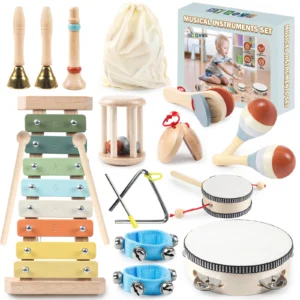
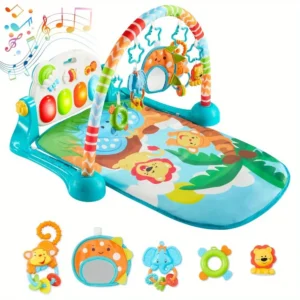
- Sound: Toys that make sounds, like rattles, musical instruments, or toys with bells,
encourage auditory development. Babies love making noise, and sound-based toys can
help them understand cause and effect.
- Touch: Toys with different textures, such as soft fabrics, ridged surfaces, or rubberized
grips, are wonderful for developing tactile skills. These toys teach babies to differentiate
between rough and smooth textures.
- Smell: While not as prominent as sight or sound, introducing subtle scents (like lavender
or natural wood) can also help stimulate your baby’s olfactory senses.
You can check www.littlewillowlane.com for other deveopmental toys.
Check out part 2 coming soon.
3.Look for Toys That Encourage Motor Skills
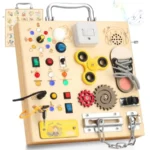
- Babies develop both fine and gross motor skills, which are essential for everyday activities like walking, writing, or feeding themselves. Choosing toys that promote the development of these skills will benefit your baby in the long run. Fine Motor Skills: These involve small movements, like grasping and picking up objects. Toys that encourage gripping, turning knobs, stacking blocks, and fitting shapes into holes are perfect for developing fine motor control. Consider puzzles, blocks, or stacking rings.
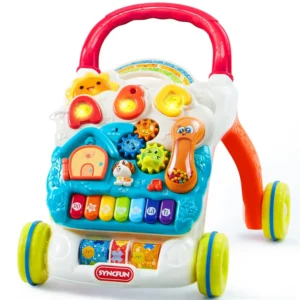
- Gross Motor Skills: These are larger movements, like crawling, standing, and walking. Toys that encourage movement, such as push toys, ride-on toys, or crawling balls, can help strengthen your baby’s muscles and coordination. 4. Consider Toys That Promote Cognitive Growth Cognitive development refers to the growth of a baby’s ability to think, learn, and solve problems. Developmental toys that support cognitive skills are those that encourage learning through play. Look for toys that:
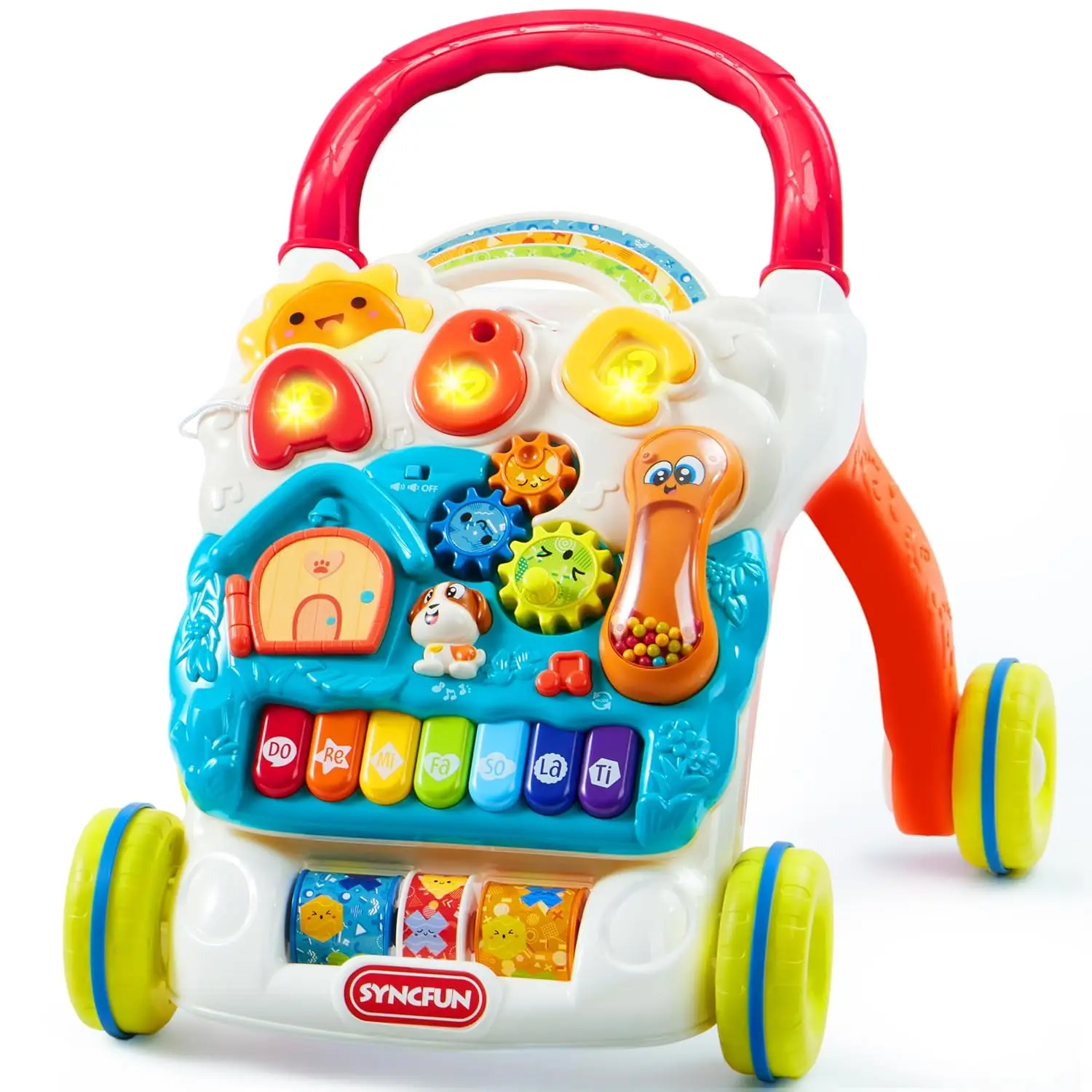
- Introduce Cause and Effect: Toys that show a clear cause-and-effect relationship, like toys that light up or make sounds when pressed, are excellent for teaching your baby about cause and effect.
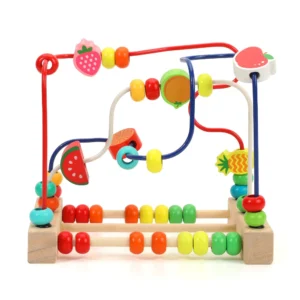
- Encourage Problem Solving: As your baby gets older, problem-solving toys such as puzzles, shape sorters, and stacking cups will help develop critical thinking skills. These toys challenge babies to figure out how things fit together or how to complete a task.
- Support Memory and Language Skills: Books, interactive toys, or toys with buttons that say words or sing songs help your baby start developing language and memory skills. Repetition is key at this stage, so choose toys that encourage familiar routines
4. Consider Toys That Promote Cognitive Growth
Cognitive development refers to the growth of a baby’s ability to think, learn, and solve problems. Developmental toys that support cognitive skills are those that encourage learning through play. Look for toys that:
- Introduce Cause and Effect: Toys that show a clear cause-and-effect relationship, like toys that light up or make sounds when pressed, are excellent for teaching your baby about cause and effect.
- Encourage Problem Solving: As your baby gets older, problem-solving toys such as puzzles, shape sorters, and stacking cups will help develop critical thinking skills. These toys challenge babies to figure out how things fit together or how to complete a task.
- Support Memory and Language Skills: Books, interactive toys, or toys with buttons that say words or sing songs help your baby start developing language and memory skills. Repetition is key at this stage, so choose toys that encourage familiar routine
5. Prioritize Safety and Non-Toxic Materials
The safety of your baby is paramount when selecting toys. Ensure the toys you choose are free of small parts that could be a choking hazard, and opt for age-appropriate toys for each stage. Additionally, check that the materials used in the toys are non-toxic and safe for babies to chew on.
- Non-toxic Paint and Materials: Many babies explore the world with their mouths, so it’s crucial that the toys are made from non-toxic, baby-safe materials. Look for toys labeled as BPA-free, lead-free, and made from natural, organic materials.
- Soft and Durable Materials: Choose toys made from soft, baby-friendly materials, especially if they are meant for babies under 6 months. Soft plush toys, silicone teethers, and rubber items are perfect for babies to explore safely.
6. Choose Multi-Functional Toys
As babies grow quickly, it’s a good idea to invest in toys that can serve multiple purposes. This way, the toy can evolve with your baby’s abilities, providing long-lasting value. For example, a toy that starts as a rattle can be used as a teething toy and then transformed into a stacking or sorting toy as your baby grows. Toys that grow with your baby can save you money and space, while still offering valuable developmental benefits. Look for modular toys that can be repurposed as your baby’s needs change.
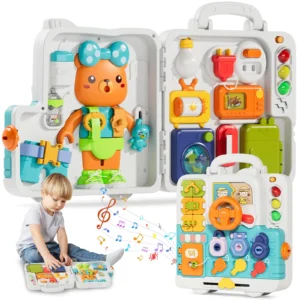
7. Interactive and Engaging Toys for Shared Playtime
Interactive toys are a fantastic way to encourage social development. Whether it’s a parent interacting with the toy and their baby, or siblings or friends playing together, these toys support bonding and communication. Toys that offer shared play, such as dolls, action figures, or toys that require joint attention, encourage babies to practice early social skills. Toys that promote role-playing or pretend play (e.g., kitchen sets, doctor kits) also stimulate creativity and imagination, helping babies develop their social and emotional intelligence.
8. Be Mindful of Environmental Impact
As parents, many of us are becoming more conscious of the environment. When selecting developmental toys, consider opting for eco-friendly, sustainably-made products. Look for wooden toys, biodegradable materials, and companies that prioritize environmental responsibility. Many toy brands are now focusing on sustainable production methods, providing safe options for your baby while minimizing environmental impact. Conclusion Choosing the right developmental toys can have a profound impact on your baby’s growth and development. By selecting toys that encourage sensory engagement, motor skills, cognitive growth, and social interaction, you are helping to build a strong foundation for your baby’s future learning. Remember to always prioritize safety and choose age-appropriate toys that match your baby’s developmental stage. Each play session is a chance for your baby to explore the world, and the right toys can help them learn essential skills along the way. Happy shopping, and happy playing!